2026-10-31 · Mike Sullivan
Fixing Low Water Pressure in Melrose Houses
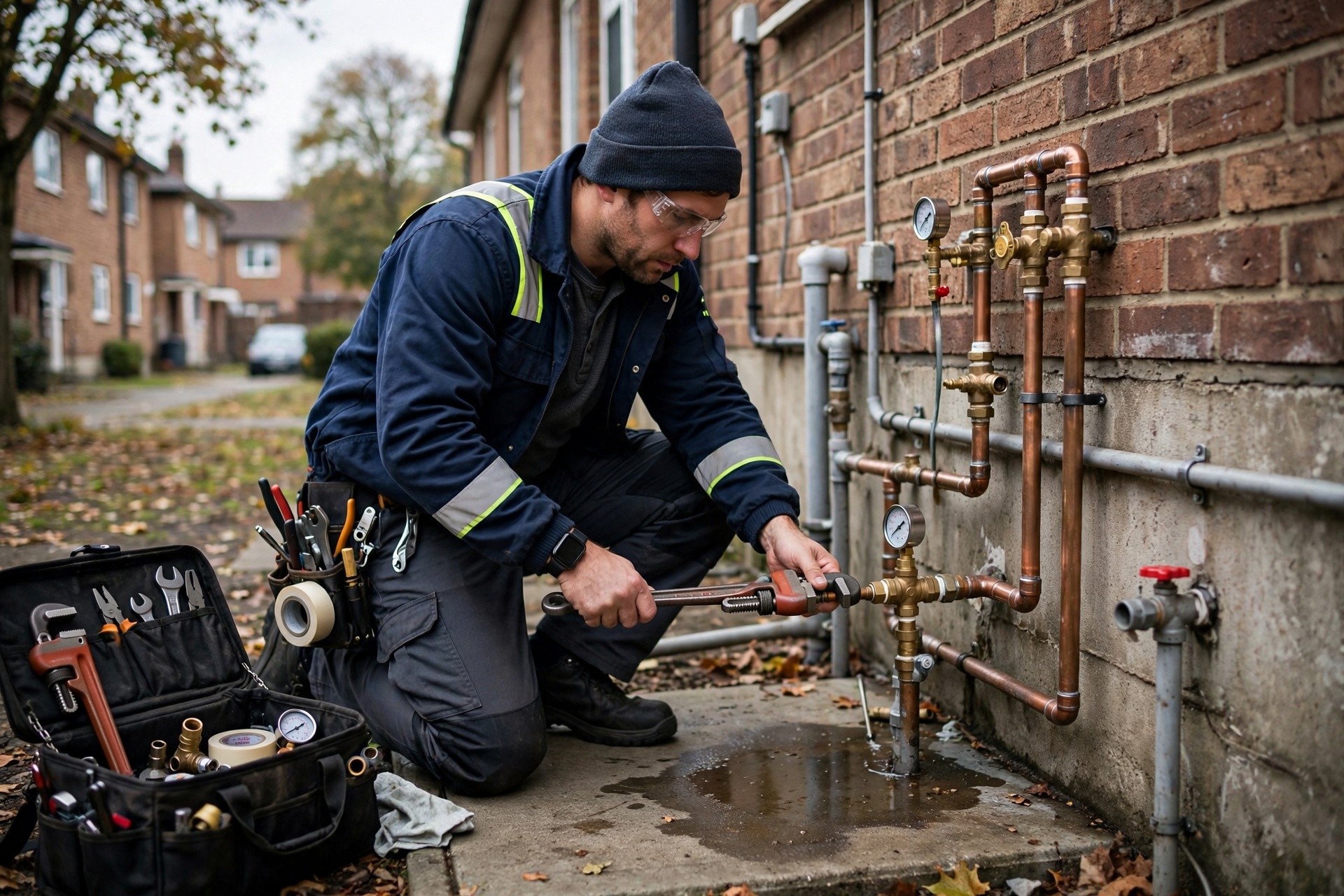
Low water pressure in Melrose houses frequently results from corroded galvanized pipes or sediment accumulation in lines serving homes built before 1970, and addressing it starts with isolating whether the issue affects one fixture or the entire property. In Middlesex County, where humid continental conditions bring cold winters that can stress older plumbing, residents in Melrose Center and on the East Side often notice drops after heavy use or during temperature swings. Checking the main shutoff valve and aerators provides an immediate first step before deeper investigation.
Common Causes in Local Homes
Melrose homes on the West Side and near Mount Hood Golf Club frequently experience reduced flow from mineral deposits that build up in copper or galvanized lines over decades of hard water exposure. Cold winters exacerbate this when pipes contract and allow scale to loosen, sending debris into fixtures. Properties near Pine Banks Park or bordering Malden and Stoneham share similar water sources that contribute to the same gradual narrowing. Leak Detection services can pinpoint hidden issues without unnecessary excavation in established neighborhoods.
Another frequent culprit involves partial blockages at the meter or main line, especially in houses where tree roots from mature landscaping along the East Side encroach on underground supply lines. Warm summers increase outdoor usage, which can mask or worsen underlying restrictions when irrigation draws from the same system. These conditions differ from newer construction in Wakefield, where PVC lines resist buildup longer.
Diagnosing Pressure Issues Step by Step
Begin by testing pressure at multiple points inside the home using a gauge attached to an outdoor spigot, comparing readings between the kitchen and upstairs baths to narrow the location. If pressure improves after removing aerators, the problem is localized to fixtures rather than the main supply. In older Melrose Center properties, next inspect exposed pipes in basements for visible corrosion or discoloration that signals interior narrowing. Document readings at different times of day to account for peak demand periods common in family neighborhoods.
When tests show consistent low readings across the house, check the pressure regulator near the water meter, as these valves can fail after 15 to 20 years of service in the region's freeze-thaw cycles. Compare results against nearby homes on the same street to rule out municipal supply variations. Professional Leak Detection becomes useful here if gauges indicate flow loss without obvious interior signs.
Effective Repair Approaches
For mineral buildup, flushing the system with a vinegar solution or installing a whole-house filter often restores flow without full replacement. In cases of corroded sections common to pre-1960s homes near Mount Hood, targeted pipe replacement restores pressure more reliably than spot fixes. Homeowners bordering Stoneham sometimes combine this with repiping select runs to avoid disturbing finished walls. Numbers matter: a typical single-line repair runs $400–$900 depending on access, while broader work scales higher.
Pressure regulator adjustment or replacement provides another direct fix when the valve sticks or fails, a task that takes 1–2 hours once located. During winter months, pairing any repair with insulation on exposed lines prevents recurrence, especially useful given the area's documented cold snaps. Pipe Replacement & Repiping services handle these upgrades in a single visit for properties showing widespread issues.
Preventing Recurrence in Melrose Conditions
Routine maintenance such as annual aerator cleaning and periodic system flushing helps maintain consistent pressure in homes throughout the West Side and Melrose Center. Monitoring for early signs like sputtering faucets allows intervention before complete blockage occurs. The Preventing Frozen Pipes in Melrose During Winter article outlines additional steps that protect supply lines from seasonal damage that indirectly affects pressure readings.